
Vipassana
$21.99
Vipassanā is a Buddhist term that is often translated as “insight.” It is the art of seeing things as they really are.
Siddhartha Gautama, also known as Buddha, used this technique to liberate himself, and he transmitted it regularly until his death about 2,500 years ago. Gautama Buddha was a philosopher, meditator, spiritual teacher, and religious leader who lived in ancient India; he was the founder of the world religion of Buddhism. Today, Buddhists from all over the world worship him and what he symbolized: the transcension of Karma.
Preview
[audio mp3="https://www.sitarameditation.com/wp-content/uploads/2026/02/AUM-The-Science-Of-Mantras-Meditation-By-SITARA-mp3cut.net-1.mp3"][/audio]
Before Budha, the religious approach was always directed outwards, to someone or somewhere external. Buddha introduced the search within, where the direction was oneself. And it was through the Vipassanā Technique that he became enlightened. He changed the course of humankind and was the pioneer that introduced meditation. He gave a new dimension to prayer that was directed to self-discovery. Questions such as “Who am I?” automatically create an awareness within, to look deeper inside, not outside.
METHOD
Vipassanā Meditation can be done in three ways. The first is simply being aware of the mind—its thoughts and its mood. The second option is watching the rise and fall of the belly. The third approach is to watch the breath at the entrance of the nostrils.
Aim to sit for at least 15 minutes when you first start. As you get used to this practice, work up to 30 minutes or longer, until you reach 60 minutes of Vipassanā meditation. You can then choose to extend the sitting time as much as you want. Remember to close the meditation time by setting up a closing ritual, so your body, mind, and spirit know that it’s finished. With time, you will extend this meditative state into your everyday life.
First Stage (15 minutes – 60 minutes - Eyes Closed)
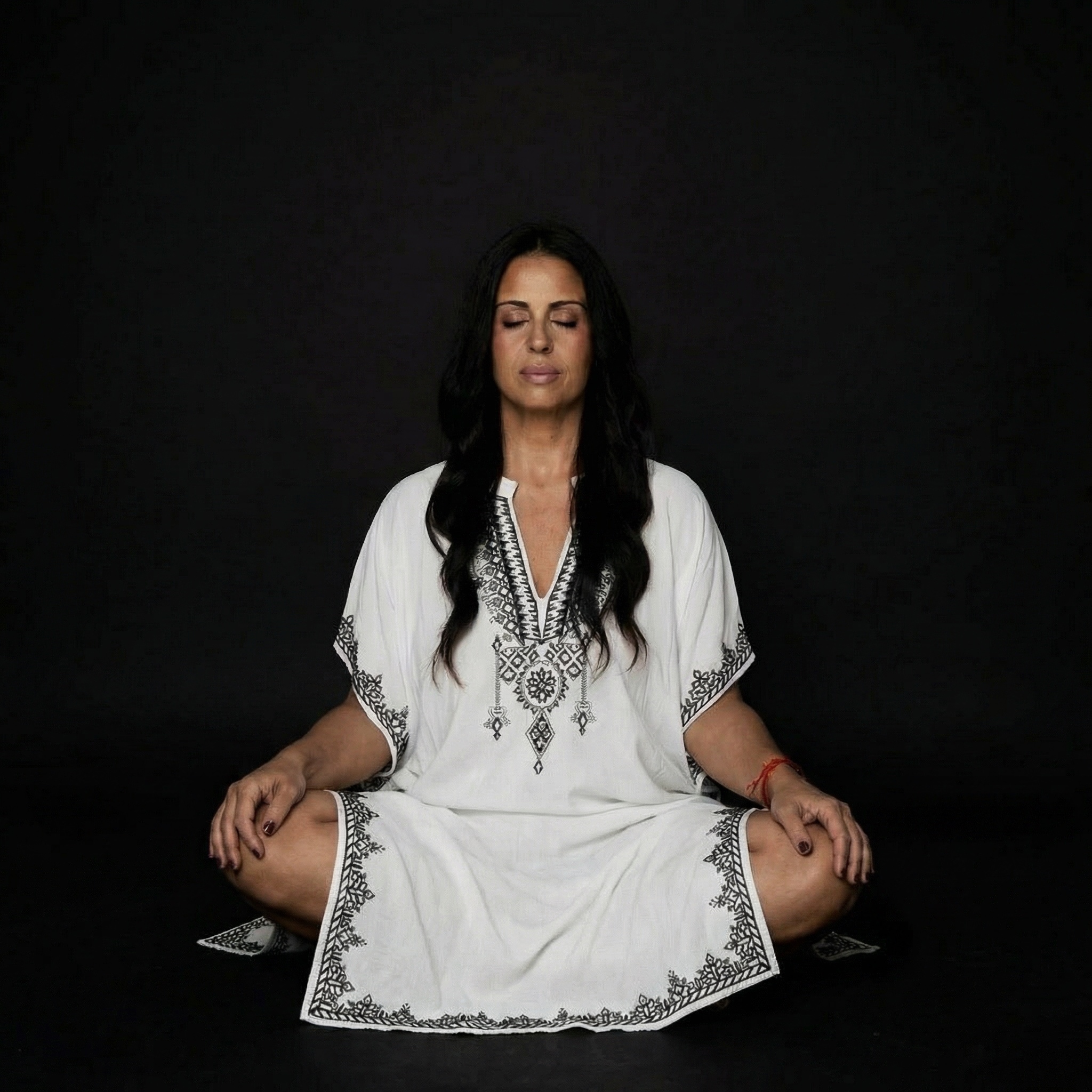
Sitting – Find a place to sit where your spine can be straight. Placing cushions underneath your knees can help you be more comfortable.
Music – Try not to use music for this meditation. Remain aware of everything around you. Every noise can be helpful in creating awareness.
Watch – Start watching your breath at the nostrils of your nose—the inhalation and the exhalation. Watch the rise and fall of your whole body with breathing. Watch the chest expanding and contracting. Watch and remain aware of the thoughts, moods, feelings—anything that is going on in your mind. Just watch without any judgments. If you get lost, gently bring your awareness back to your breath, to the rise and fall of your belly.
Pain – If you would like to change your sitting position or move your body, you can do this with awareness and very gently shift the position.
Relax – This is not a concentration technique but a deep state of relaxation.
Second Stage (5 minutes – onward)
WHEN, HOW, WHERE
Practice this meditation if the mind is dull or agitated, if it is difficult to feel sensations, or difficult not to react to them. It is common to experience drowsiness, agitation, mind-wandering, and other difficulties in this meditation, but if you persevere, then you will be successful.
Choose a quiet place where you won’t be interrupted; once in meditation, you do not want to be impacted by a sudden interruption. If you can go and sit for a daily hour in nature, the meditation will be magnified and the life energy around you will keep you even more focused. You can choose to do Vipassanā at any time of the day, in any circumstance.
If you want to incorporate Vipassanā as your main meditation, try this:
-
One hour in the morning and one hour in the evening.
-
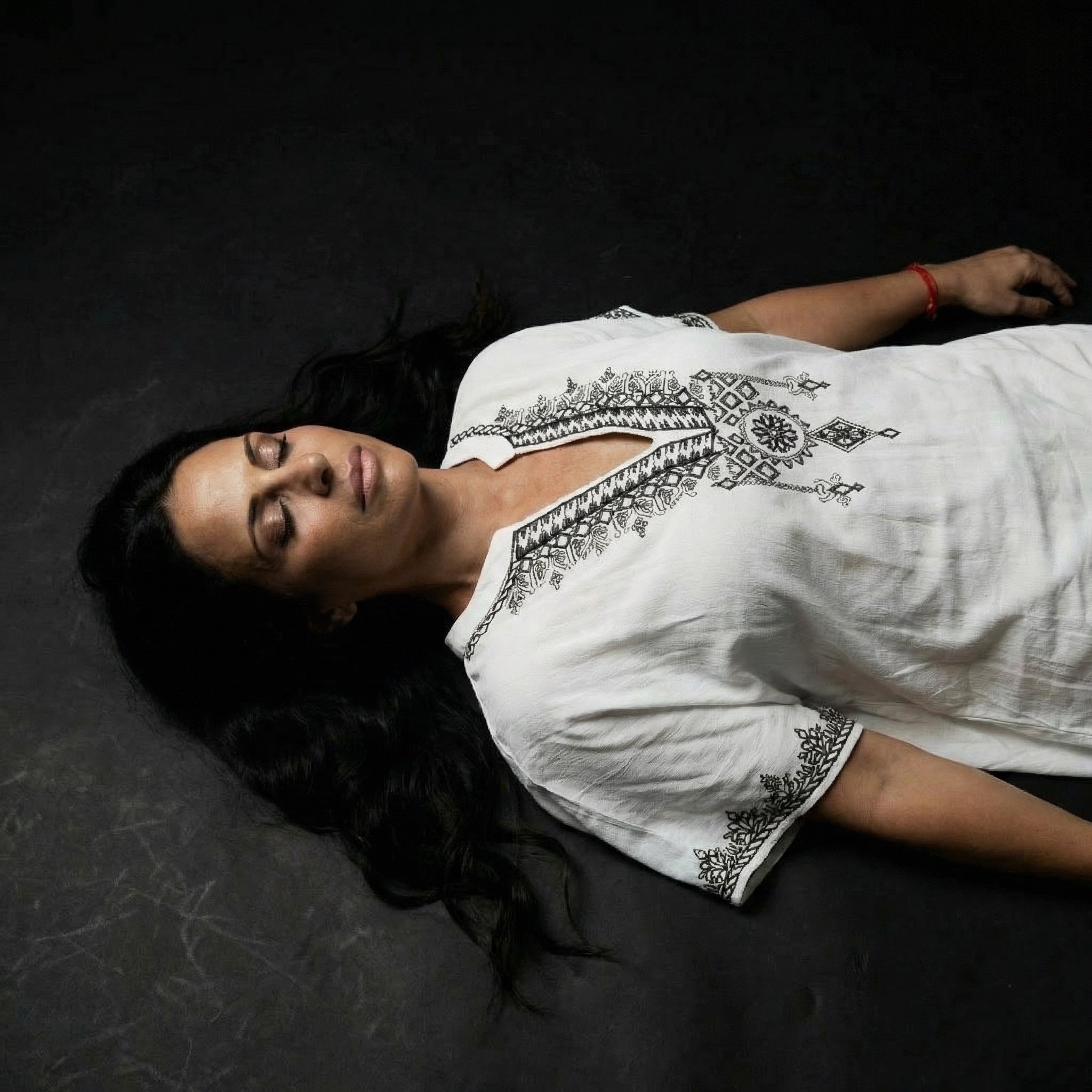
Five minutes while lying in bed before you fall asleep and after you wake up.
-
If possible, sitting with other meditators practicing this technique of Vipassanā once a week for one hour.
-
A ten-day course or self-course once a year.
-
Combine this with a weekly active meditation.
Remember:
-
To be the Witness: Witness your experience, don’t engage in physical or mental stories.
-
Non-Clinging: Create this space and let go of expectations, desires, impulses, feelings, and thoughts.
-
Acceptance Attitude: Bring the energy of acceptance of all thoughts, emotions, feelings, and sensations.
-
Cultivate Receptivity: Vipassanā Meditation will create that spaciousness within and open your sensitivity.
-
Recognize your individuality, what makes you special, and your connection to this world.